News
- 현재 위치News
The Wanju National Research Institute of Cultural Heritage Opens New Cultural Space for Exploring, Experiencing, and Learning about Cultural Heritage in Jeollabuk-do.
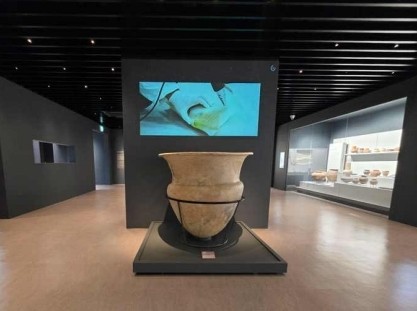
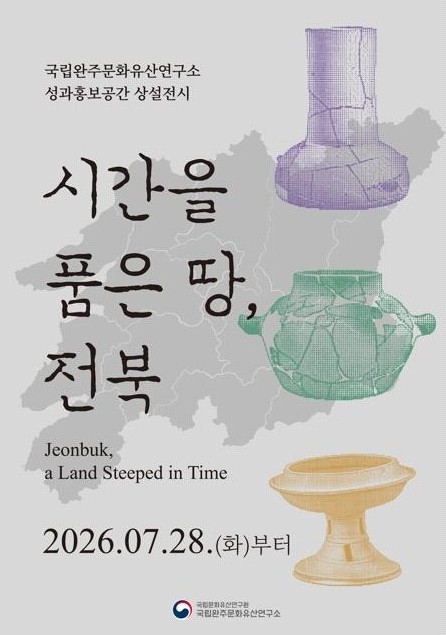
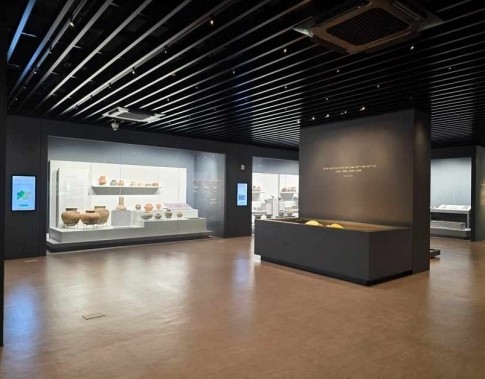
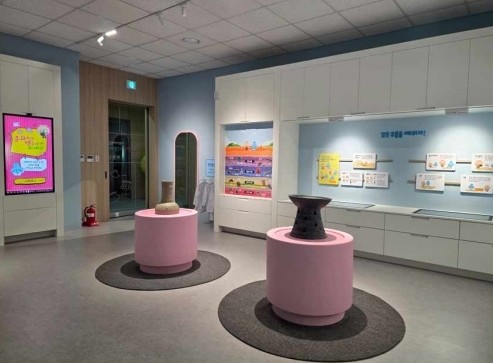
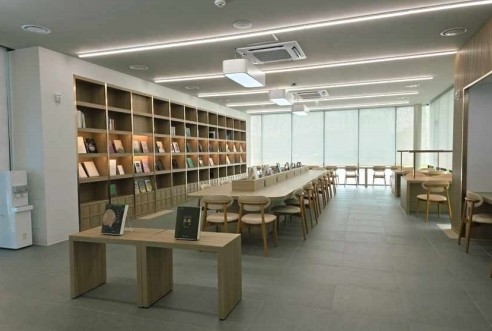
On July 28, a new public outreach space showcasing the research achievements of the Wanju National Research Institute of Cultural Heritage (Director: Lee Gyu-hoon), an affiliate of the National Research Institute of Cultural Heritage under the Korea Heritage Service, will open the permanent exhibition Jeonbuk, a Land Steeped in Time.
The new space spans approximately 1,000 square meters. It has been designed to help visitors better understand the value and historical significance of the institute's cultural heritage investigations and research through a variety of facilities, including a permanent exhibition, a children's activity room, and an open library.
The new space spans approximately 1,000 square meters. It has been designed to help visitors better understand the value and historical significance of the institute's cultural heritage investigations and research through a variety of facilities, including a permanent exhibition, a children's activity room, and an open library.
- Hours : Monday–Friday, 10:00 a.m.–5:00 p.m.
(Inquiries: +82-63-290-9300)
- Location : First Floor, Wanju National Research Institute of Cultural Heritage
(168 Jisajero, Iseo-myeon, Wanju-gun, Jeonbuk State, Republic of Korea)
The permanent exhibition Jeonbuk, a Land Steeped in Time, draws on the Institute’s exploration of the cultural heritage of Jeonbuk State. It is organized into two sections: Part I. A Land of Abundance, Where People Have Long Lived and Part II. Diverse Stories Across a Vast Land.
Part I traces the story of human settlement in Jeonbuk from prehistoric times to the ancient period, exploring the communities that formed here and the cultures that flourished. Highlighting some of the Institute’s most significant archaeological excavations, including the Gaesa-dong Shell Mound in Gunsan, the Wonsangun Tumuli in Wanju, and the Yugok-ri and Durak-ri Tumuli in Namwon, exhibition showcases the excellence and academic significance of Jeonbuk’s ancient cultural heritage.
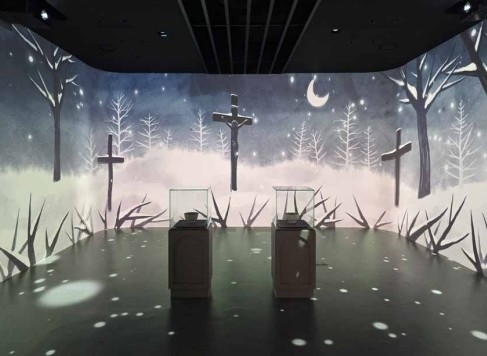
Part II explores the history of the people of Jeonbuk and their everyday lives by examining the region's distinctive cultural heritage. Visitors can learn about the advanced ancient irrigation technology exemplified by the Hwangdeungje in Iksan, the story of Korea’s first Catholic martyrs, who is buried at the Namgye-ri Site (Chonami Shrine) in Wanju; and the exceptional artisanry of the Goryeo-era celadon produced at kiln sites in Buan.
The new facility also includes a children’s activity room called the Doran Doran Time Playground, a space where children can engage with cultural heritage through play. There is also the Open Library, which offers visitors opportunities to explore cultural heritage in greater depth. Together, they provide all ages with enjoyable and immersive ways to experience the cultural heritage of Jeonbuk. Visitors can also appreciate the dynamic experiences provided through a range of digital content, including LED media art and an immersive media room.
With the opening of this new public outreach space, the Wanju National Research Institute of Cultural Heritage aims to strengthen its role as an open research institution by sharing the results of its investigations with the public. The institute will continue to offer a wide range of exhibitions and educational programs to ensure that cultural heritage remains a living asset shared with local communities. It hopes that the new space will become a leading cultural destination where the value of Jeonbuk’s cultural heritage can be shared with the public and passed on to future generations.