


Silla Funerary Rite Reenacted at Jjoksaem Tomb No. 44 after 1,550 Years
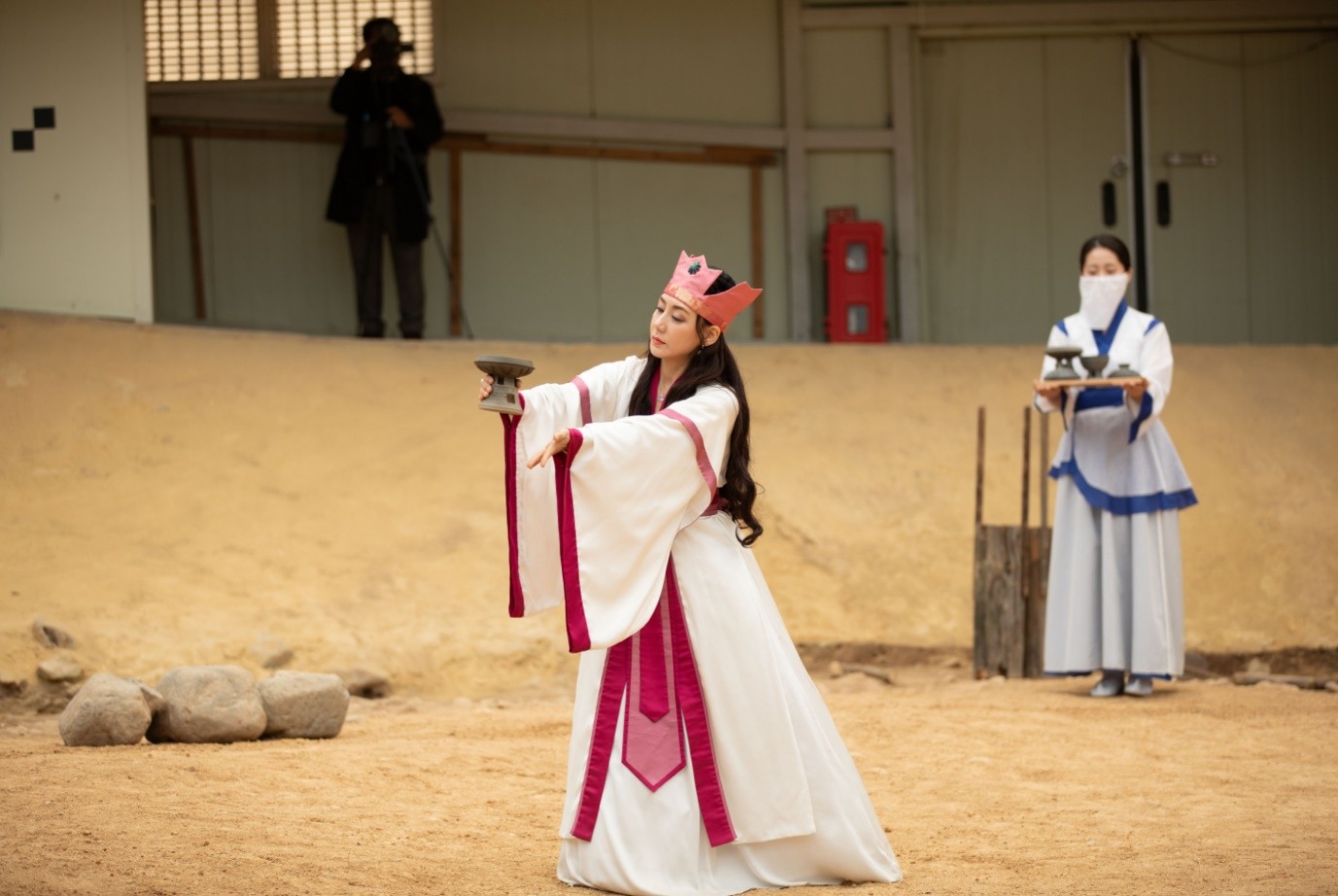
Reenactment and public heritage interpretation sessions for the stone-mound wooden-chamber tomb to take place July 17–19 at the Jjoksaem Archaeological Exhibition Hall in Gyeongju!
The Gyeongju National Research Institute of Cultural Heritage (Director Lim Seung-kyung), which operates under the National Research Institute of Cultural Heritage of the Korea Heritage Service, will present the Reenactment of a Silla Funerary Rite at Jjoksaem Tomb No. 44 from July 17 to 19 at the Jjoksaem Archaeological Exhibition Hall as part of the construction experiment for the tomb.
Venue: Jjoksaem Archaeological Exhibition Hall, 788 Taejong-ro, Gyeongju
Jjoksaem Tomb No. 44, believed to be the burial place of a young female member of the Silla royal family, possibly a princess, is a major example of Silla’s stone-mound wooden-chamber tombs. More than 800 artifacts were recovered from the tomb, including horse mudguards decorated with jewel beetle wings.
Note: A stone-mound wooden-chamber tomb is a distinctive Silla tomb type constructed by piling stones around a timber burial chamber and covering the structure with an earthen mound. Horse mudguards are panels suspended beneath a saddle to protect the rider’s legs from mud thrown up by the horse’s hooves.
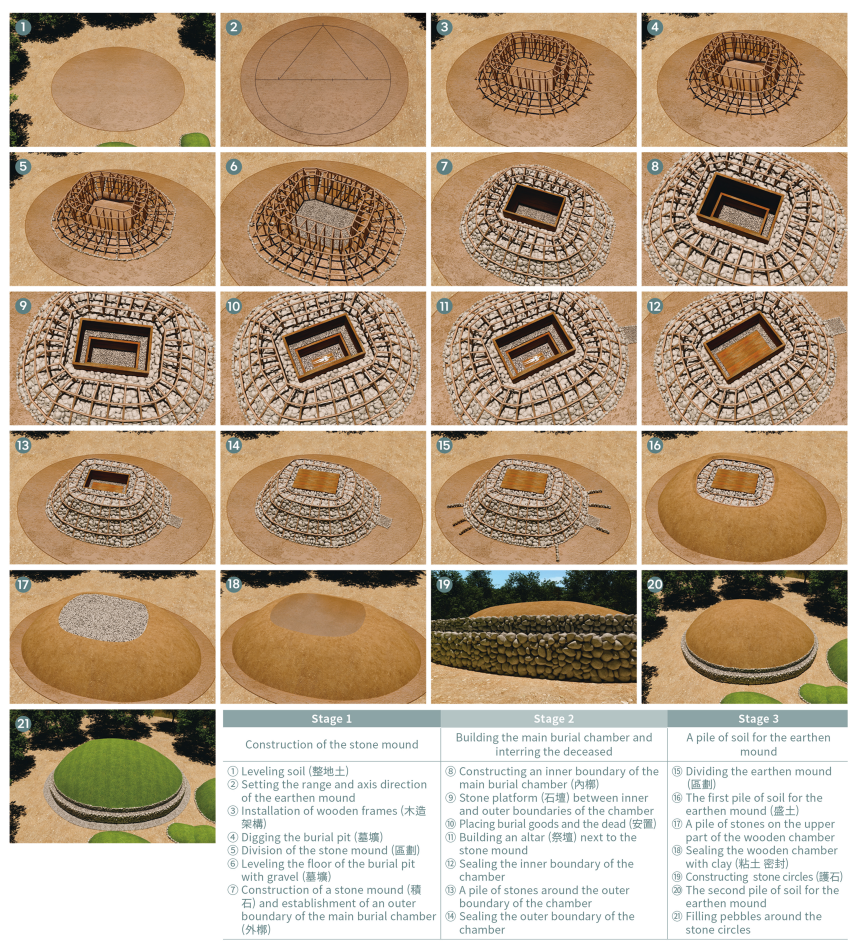
From 2014 to 2023, the Gyeongju National Research Institute of Cultural Heritage conducted excavations and interdisciplinary research that shed light on the tomb’s entire construction process and the techniques used to build it. Since 2024, the institute has been conducting a construction experiment based on the findings of this decade-long research program, rebuilding the tomb to examine how it was originally constructed. As the only experiment of its kind in the history of world archaeology, it has attracted considerable attention.
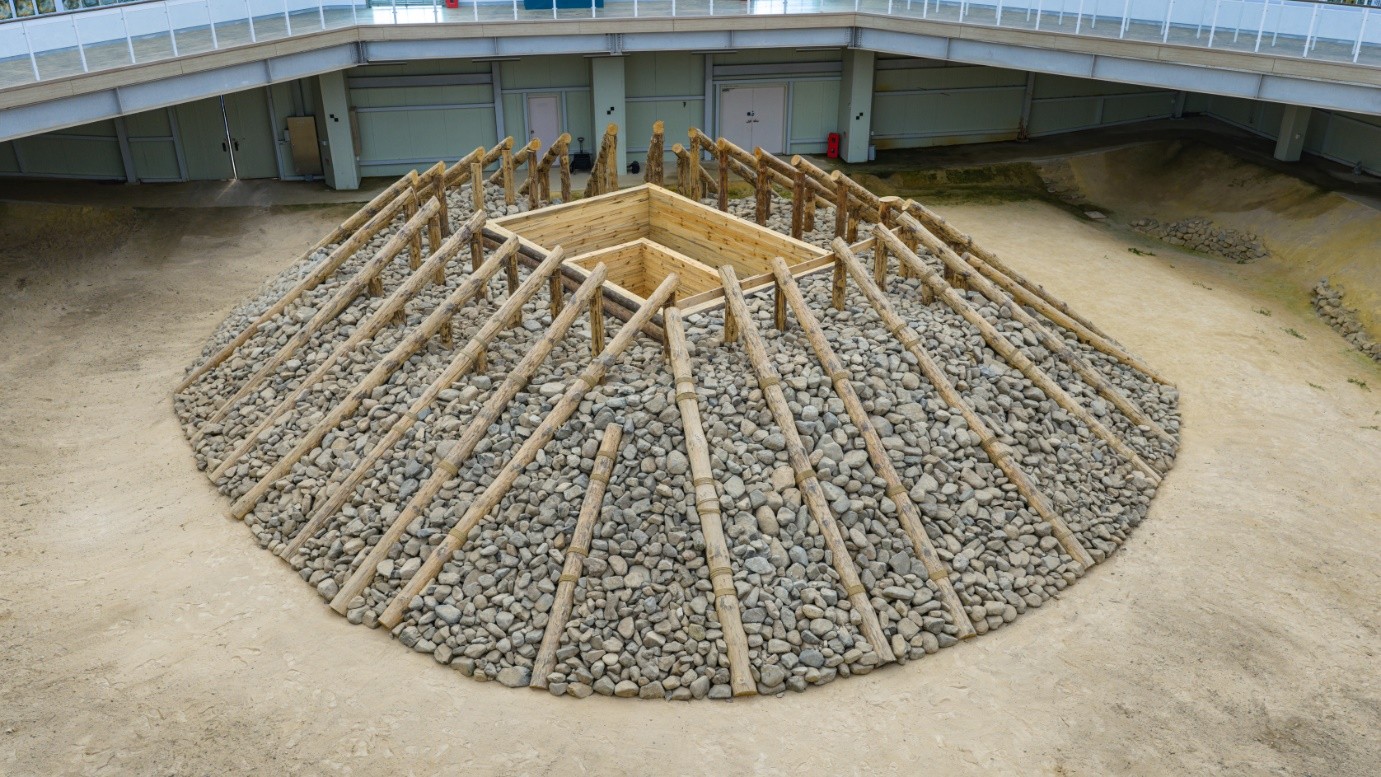
The construction experiment has now completed Stage 9 of the tomb’s 21-stage construction process. A wooden framework and a double-layered wooden chamber have now been installed, and the stone mound has been built up to a height of 2 meters, the level at which the deceased will be placed.
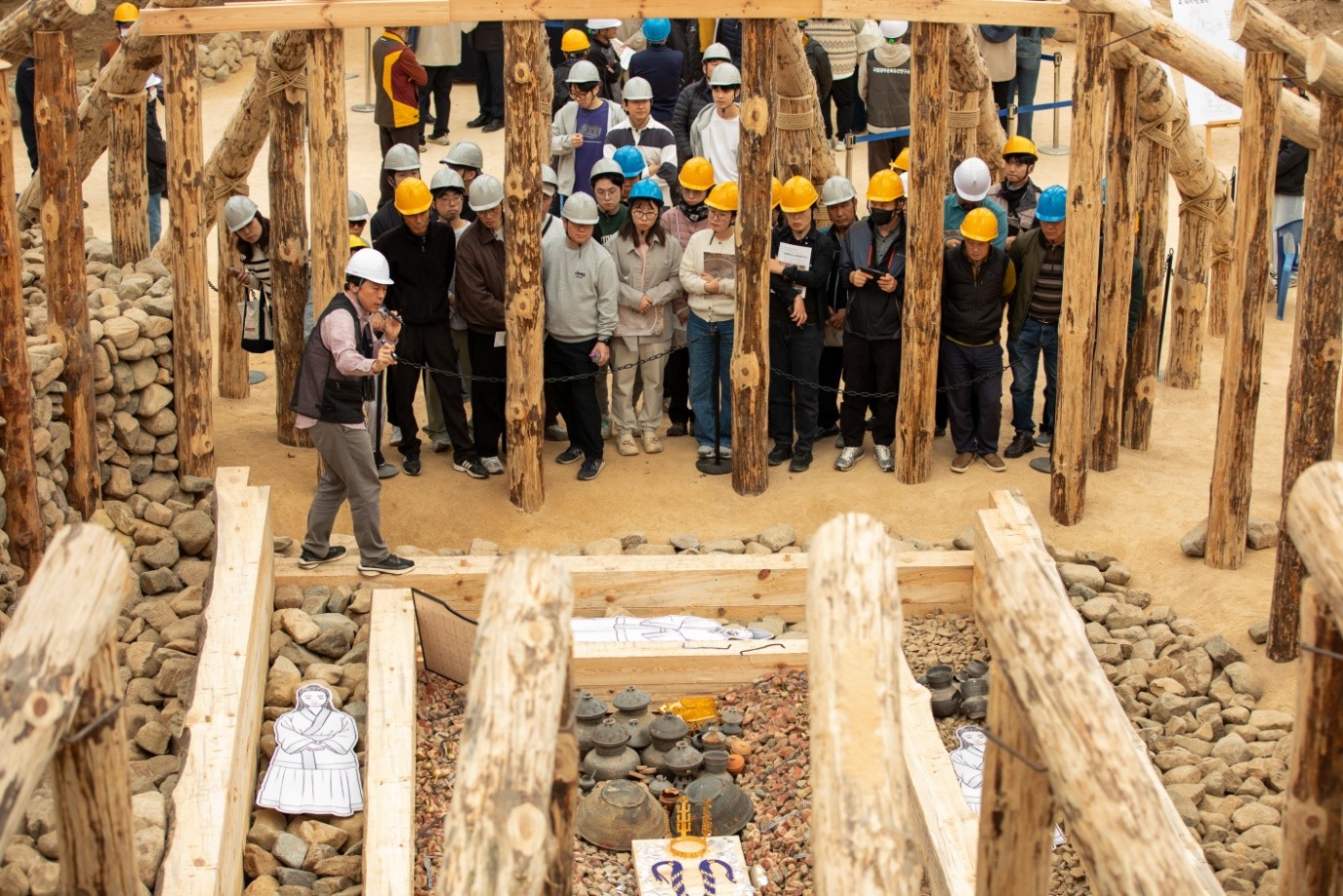
The reenactment will cover three key stages in the construction of Jjoksaem Tomb No. 44: Stage 10, placing the deceased and grave goods in the chamber; Stage 11, setting up the altar and performing the burial rites; and Stage 12, closing the inner chamber with its lid. Together, these stages constitute the most significant phase in the tomb’s construction.
Replicas faithfully reproduced from the artifacts worn by the deceased or deposited nearby will be arranged in the chamber to examine how the deceased and grave goods were placed and in what sequence. The reenactment will also recreate ritual acts such as scattering ju and mica flakes and shaking clay bells. These activities will provide insight into Silla funerary customs and beliefs associated with burial.
Note: Ju is a red pigment that was scattered or applied to the walls and floors of ancient tombs. It is believed to have been associated with elixirs of immortality or with warding off evil spirits. Mica is a silicate mineral that splits into thin, scale-like sheets. In Silla tombs, it has often been found scattered around the deceased or bound together in multiple layers.
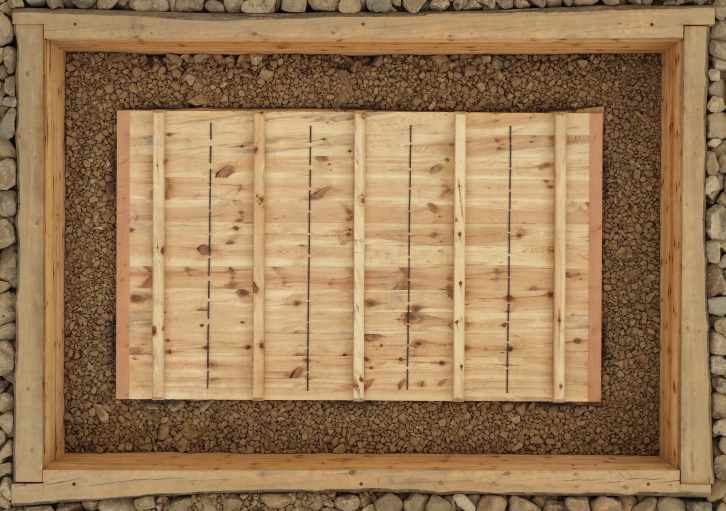
The funerary rite concludes when the lid is placed over the inner wooden chamber containing the deceased and grave goods. Its lid was assembled from 13 wooden planks, fastened with 48 iron clamps and 5 transverse timbers (ttijang), and reinforced with wooden frames (ulgeomi) fitted across the end faces (maguri). Weighing approximately 500 kilograms when fully assembled, the lid was fitted with ten handles (chukgeumgu) along its edges for carrying and placing it over the chamber.
The reenactment will begin at 5:00 p.m. on July 17, Korea’s Constitution Day, and last approximately one hour. On July 18 and 19, a total of 12 public heritage interpretation sessions on the construction experiment and funerary rite will be offered at 10:00 and 11:00 a.m., and at 2:00, 3:00, 4:00, and 5:00 p.m. Each session will last 30 minutes. The event is open to all, and no advance registration is required.
The Gyeongju National Research Institute of Cultural Heritage will continue to make every stage of the construction experiment for Jjoksaem Tomb No. 44 accessible to the public at the Jjoksaem Archaeological Exhibition Hall. Through a range of academic events and interdisciplinary exchanges, the institute will continue to advance research into Silla tomb culture.